Ratings Guideline - Netflix
Managed content classification systems for 200M+ members across 190+ markets, ensuring metadata accuracy, alignment, and consistent frameworks.

Netflix Global Ratings: Designing Policy for Sensitive Content at Scale
Introduction
Netflix's Global Ratings and Partnerships team classifies millions of titles for audiences worldwide, balancing creative expression with cultural sensitivity and viewer safety. As a Content Strategy intern, I helped develop and enforce content classification policies that ensure Netflix's growing catalog is rated accurately and consistently across global markets.


Challenge
As Netflix expanded internationally, inconsistencies emerged in how sensitive content was identified and communicated to viewers. Rating standards varied wildly across markets. Non-visual mature content—discrimination, verbal harm, harmful stereotypes—lacked clear classification frameworks. Reviewers needed better guidance, and audiences demanded more context around sensitive themes.
The brief: Build scalable systems that help viewers make informed choices while giving internal teams the clarity to apply policies consistently across cultures and catalogs.
Solution
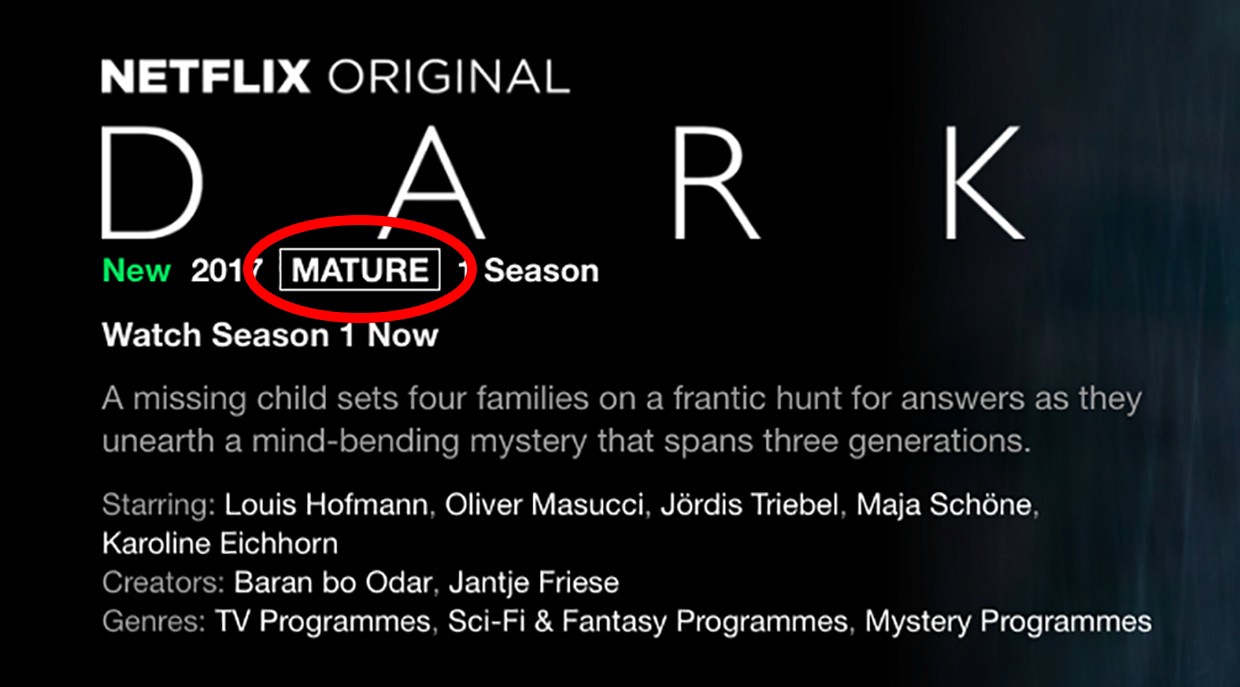
I evaluated and classified titles across global markets, assessing scripts, trailers, and imagery to determine appropriate age ratings and advisory language. Auditing catalog titles revealed gaps in metadata accuracy that directly impacted viewer trust.
The core work was policy design. I authored "Optimizing Discrimination NVMC & Behavior/Violence Tags for the U.S. Market," an exploratory report that proposed new frameworks for surfacing non-visual mature content. This included:
A U.S.-specific discrimination severity scale with detailed reviewer playbooks
Override-only advisories and stereotype tags to improve transparency without over-labeling
Recommendations for ML-driven classification tools and product UX integrations designed to scale globally
Working cross-functionally with Content, Metadata, Global Affairs, and ML teams, I helped align policy standards with technical capabilities. The work bridged policy, technology, and human judgment—defining how sensitive content is identified, rated, and communicated to diverse audiences.
Conclusion
I supported the classification of hundreds of titles while contributing policy refinements that enhanced consistency and viewer trust. My discrimination framework was adopted as a reference for future guideline updates and informed ongoing conversations around AI-assisted classification.
Impact: Strengthened Netflix's ability to communicate sensitive content responsibly at global scale. Established scalable frameworks that balance cultural sensitivity with operational efficiency, advancing how entertainment platforms navigate the intersection of regulation, technology, and audience trust.